

I have spent my fair share of time cleaning furniture. Running a business partly dedicated to cleaning different soiled spots on different fabrics while using the appropriate cleaner means I have to know my stuff.
Furniture Cleaning Mistakes Happen To the Best Of Us
In fact, I remember a costly mistake early in my career that left me wondering if I’d ever pick up a fabric cleaner again. A 10-chair dining room set worth $14,000 featuring a polyester fabric with a satin weave had some food spots from a recent Thanksgiving family dinner. My first attempt at cleaning the chairs was a disaster! By using the wrong product, oversaturating the delicate chairs, and even using the wrong water ended in a bad day for me. I tried everything and made calls to everyone to get out of that hole, but it was too late. While it was a bad day, it contained a very good lesson.
After my lesson was taught, I dedicated myself to learning the chemistry of cleaning furniture. Since then, I have run into some rough situations and have many customers asking questions about their own upholstered furniture. I found there were many misconceptions or underappreciated considerations about furniture cleaning out there. Even seemingly reputable sources sometimes get it wrong.
So, let’s talk about it:


1. There Is No "One Fix All" Furniture Cleaning Product
Have you ever read the labels on some of your cleaning products? If you take them at their word, they can clean EVERYTHING!! Red wine, ink stains, fruit punch, cosmetics…nothing can stand up to this wonder cleaner. You give it a shot to find the spot is still there, or worse, has gotten bigger. When customer’s would ask me about a certain cleaner, I would always ask to see the bottle and inform them on the types of soiling each cleaner will work on successfully.
So what are the different types of cleaners? Well, there are generally 4 types of cleaners (with subcategories and action categories as well as soil chemistry overlap, but that’s getting into master-class territory.) Let’s see about them:
1. Oxidizers – Works on coffee, tea, urine, blood, mustard, and black dye. Examples of this cleaner are Oxi-Clean or chlorine bleach. Many household cleaners are hydrogen peroxide based and, as such, are oxidizers.
2. Oxygen Reducers – Works on coffee, tea, urine, feces, synthetic red dyes, rust. One rule of thumb is to use reducers on what you would eat or drink, red wine and mustard being the only exceptions.
3. Enzymes – Works on protein related stains using live proteins to break down organics. These do NOT play well with other cleaners!
4. Solvents – Works on oil, gum, grease, body oils, tar, ink. There are various strengths, types (gel and dry) and specs for this type of cleaner. Never apply a solvent directly to your upholstery fabric, but to a cloth before attacking the spot. Fabric with a backing like velvet or latex.
While there is overlap with some cleaner types, it’s important to keep these cleaners in their lanes.
2. When Cleaning Furniture, Oversaturation Is a Real Thing
The number 1 transgression committed by consumers is the oversaturation of their upholstery during cleaning. In fact it’s so easy to do, even some professionals have a hard time with oversaturation.
There are multiple issues that arise from an over saturated fabric. Depending on the fiber type, usually natural fibers, prolonged exposure to water can be damaging. Fiber shrinking, distortion, color bleeding, and discoloration are real issues that can be caused by extended water contact. Finally, consider the likelihood of dust, dirt, and other soils attracting itself to the wet fibers.
Keep An Eye On Your Cleaner As Well
Water is not the only culprit. Soaps and cleaners may have the added displeasure of creating suds. Spending an eternity on getting the cleaner out when it took 5 minutes to remove the stain is not a fun time.
So how do we fix this common problem? Enter the portable extractor. Portable extractors are a great way to pull water from the fibers. Another awesome tool for minimizing the time and amount of water is a fan.
3. Vacuum your Furniture Before Cleaning...Every Time
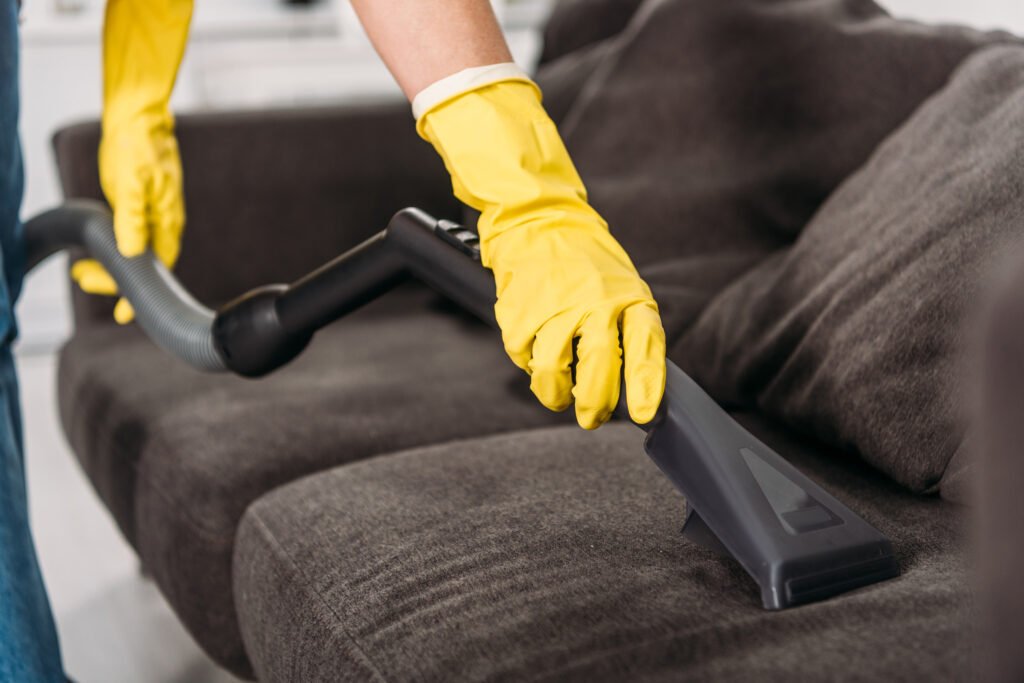
Believe it or not, upholstery is a process. An important part of that process is in the prep. Vacuuming the area beforehand is the best way to keep the area as clean as possible.
4. Always Clean To The Seam
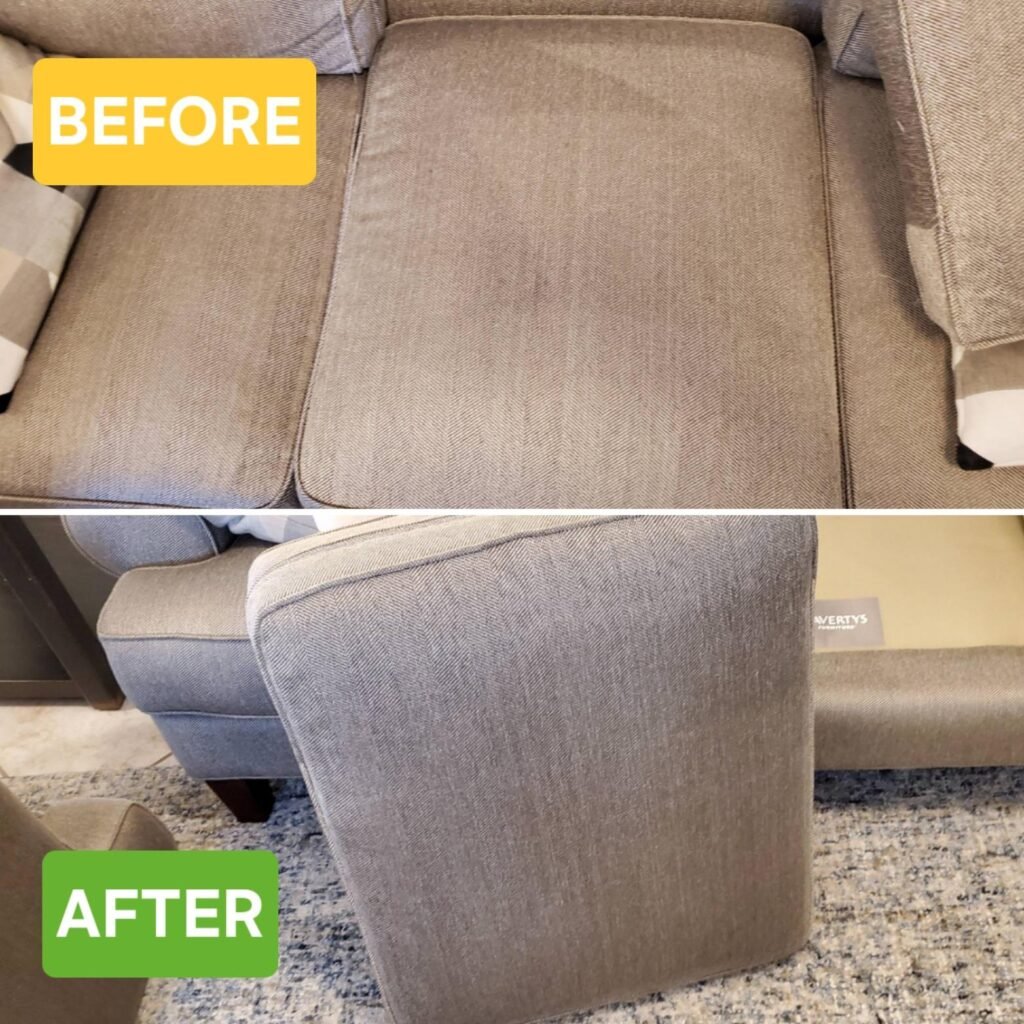
On more than one occasion, I have walked in to take care of a stain. The consumer stated that the quarter sized blemish turned into a plate sized problem after they’ve tried to clean the issue. What the consumer has actually done is cleaned the seam without extending the moisture to the seam. When you clean to the seam, you eliminate the possibility of a cleaning halo.
What Kind of Water Are You Cleaning Furniture With?
It’s also important when cleaning furniture to consider your water source. Faucet water is widely varied in the amount of elements it contains; especially when “hard water” is prevalent. When cleaning furniture, it is best to use distilled water. By using distilled water, you are removing 99.9% of the minerals, pesticides, and bacteria found in faucet water. With the additives removed from the water, you will lessen the risk of water staining. Otherwise, when cleaning furniture you may also include removing those pesky minerals!
5. You Can Make Your Own Furniture Cleaning Product
Do you remember Billy Mays? I know I do. I mean, how excited can one guy be about a laundry cleaner? But sure enough, he made Oxi-Clean a household name with the energy he brought along with the magic of the stain disappearing right before our eyes. I was certainly sold.
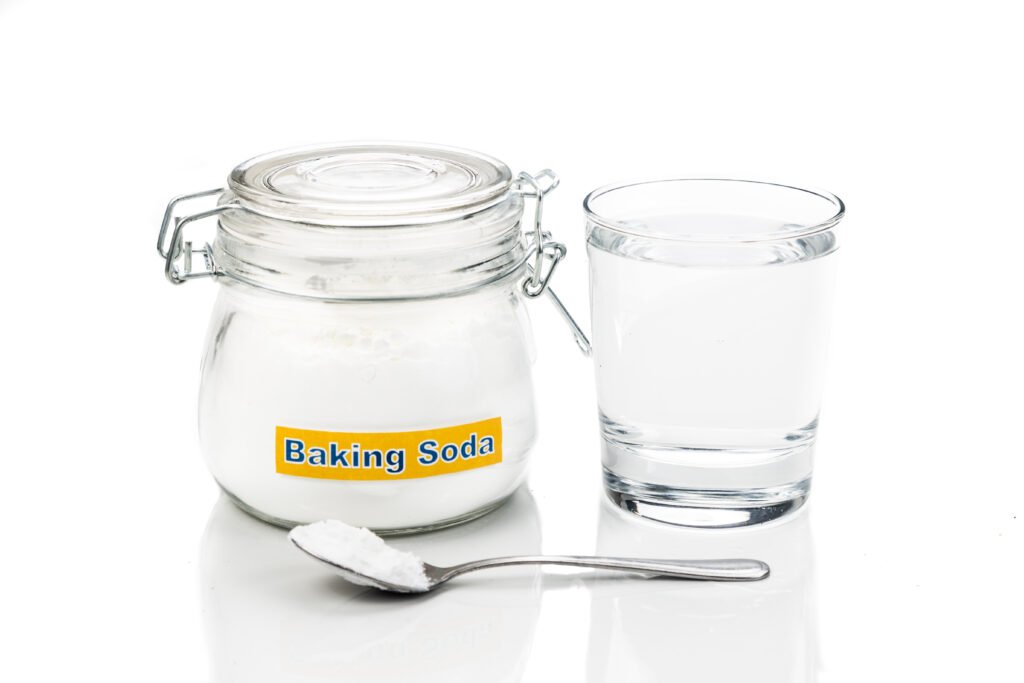
Oxi-Clean is a great oxidizer, utilizing the stain-removing power of baking soda and the compound sodium carbonate peroxide, among other surfactants, builders, and stabilizers. This furniture cleaning oxidizer really does pack a wallop…and you can make a simplified version yourself:
In a spray bottle, add 1 part baking soda (builder) to 1 part hydrogen peroxide (oxidizer). Then add 3 dots of non-foaming dish shop (surfactant) and shake well. What you have there is an easy-to-make and ready-to-go cleaner that will knock out many spots on upholstery without damaging the fibers.
6. There Are Different Rules For Different Fiber Types
As you may have realized, your furniture could be made from any number of fibers. Because of this, your furniture’s fibers may have a unique cleaning requirements. To rectify this, its important to try your cleaner in an inconspicuous area to see about any adverse effects. Pay attention to issues like color loss and fiber changes. Once you’ve done your test without any problems, you are free to move forward to cleaning.
It’s best to use a cleaner specially designed for wool. The problem is that there are companies out there that have the name “wool” in their title…looking at you, Woolite. To make sure you are getting the right thing for your wool, look for the Woolsafe tag. You won’t go wrong with it.

Professional Furniture Cleaning
Sometimes, it’s just easier to leave it to the professionals, but it’s still important to do the research. With a largely unregulated industry, the market is filled with companies armed with a portable extractor and spray bottle ready to start cleaning furniture, but no knowledge of the chemistry behind their profession. When looking for furniture cleaning professionals, ask them a few questions:
- How long have you been in business?
- Are you insured?
- Do you have any professional certifications?
- Specifically IICRC – UFT certified. This is a certification specifically for cleaning furniture.
Hopefully with these helpful tips on the furniture cleaning process, you find an easy path while cleaning furniture.